
CBAM: the EU carbon border adjustment mechanism
Exporters to the EU have to declare the emissions embedded in their products. Mangue Tech calculates and reports them as CBAM requires.
Companies that trust Mangue Tech










Consulting + Platform
Operational data becomes auditable ESG indicators.
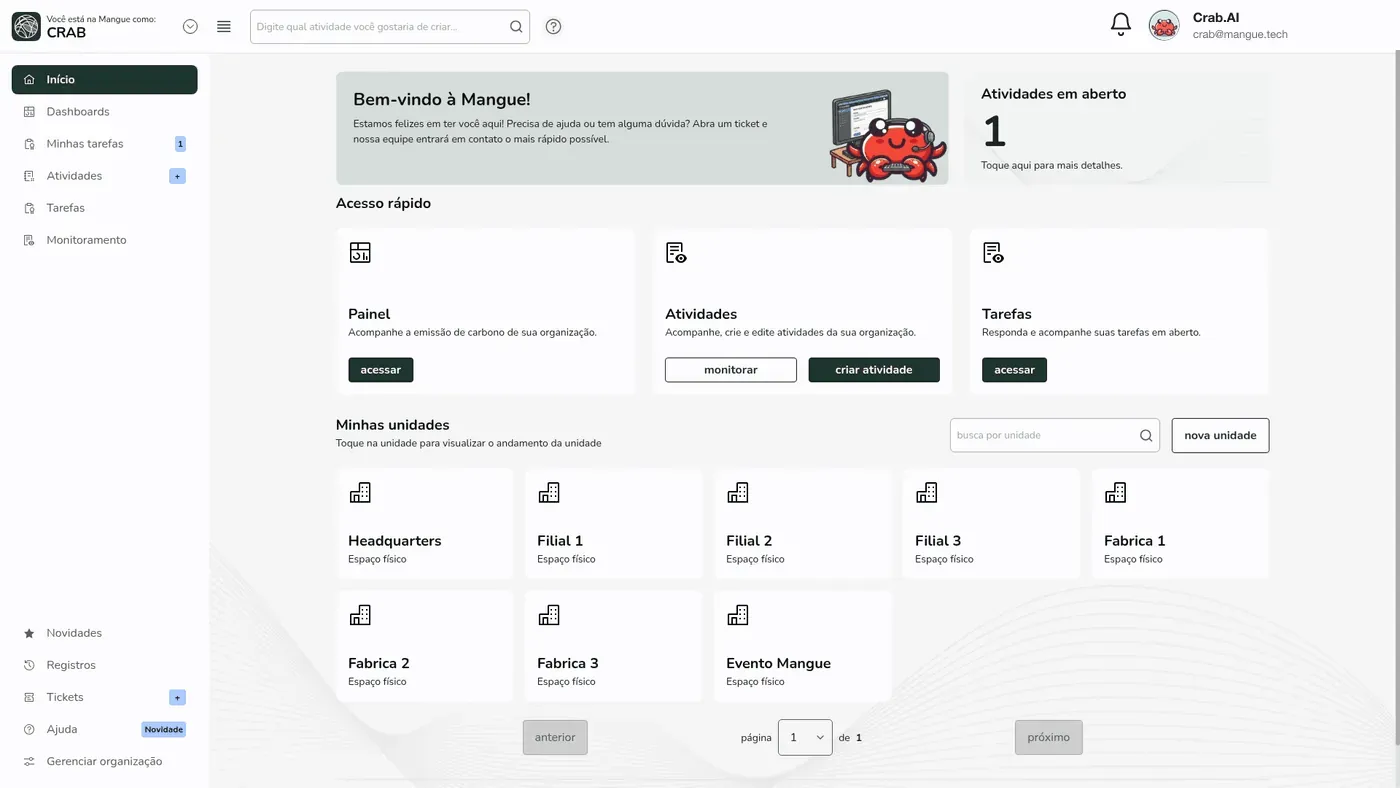
Specialist consulting that understands CBAM. A platform that automates the calculation, versions the data and exports it in the format the regulator requires.
Consultoria
ESG data and compliance management, with a specialist who knows your sector.
Plataforma
Our own software, automating calculations, indicators and exports.
Auditable reports
GHG inventory, decarbonization plan and reports ready for the auditor.
Less time
Automated collection vs. manual spreadsheet.
Global frameworks
IFRS, CSRD, CBAM, GRI, SASB, GHG, CDP…
Emission factors
IPCC, DEFRA, MCTI, EPA, Ecoinvent.
How Mangue works
4 steps. From diagnosis to an auditable report.
Diagnosis
Find out which ESG risks affect your business and what the regulator will require.
Estrutura
Organized data, defined processes and everything ready for any verification.
Operation
Emission calculations, decarbonization targets and continuous monitoring.
Auditable reports
Active compliance with IFRS, CSRD, CBAM, GRI, SASB and GHG Protocol.
Mangue deliverables for CBAM
Every delivery is a complete package: consultant + platform + auditable report. Click to see how we apply it.
Frameworks we apply
The framework
What it is, and why it matters.
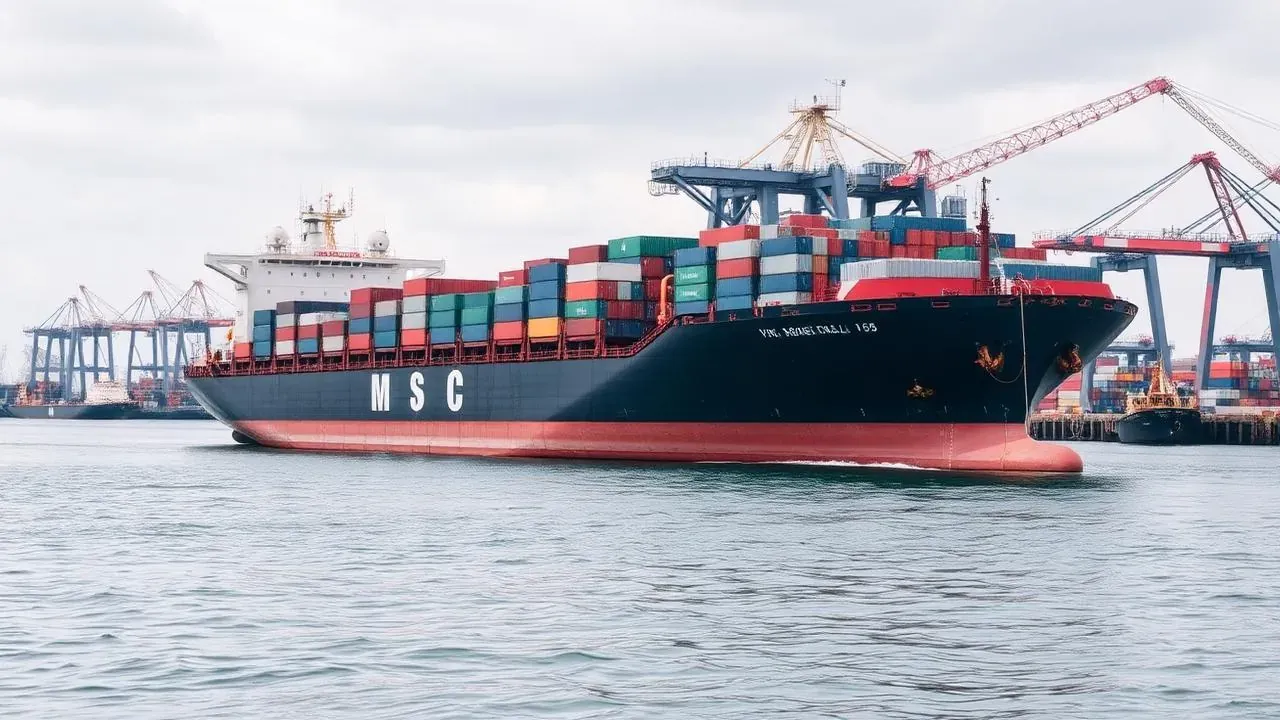
The Carbon Border Adjustment Mechanism (CBAM) is the European Union instrument that charges for the carbon intensity embedded in imported products. Since October 2023, European importers have had to declare those emissions; the financial charge starts in 2026.
The sectors covered in the first phase are iron and steel, aluminum, cement, fertilizers, electricity and hydrogen. The scope is expected to expand to chemicals and polymers.
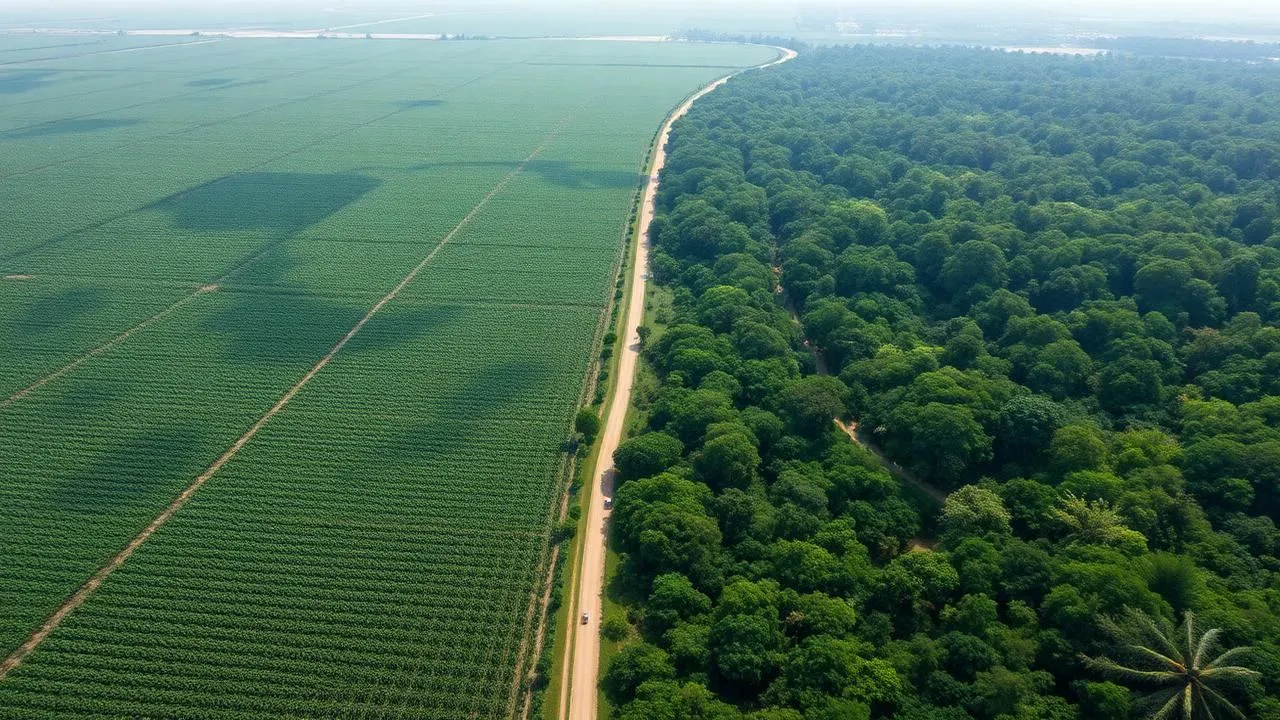
Brazilian exporters have to supply direct and indirect emissions data for each installation. Without that data, the European importer will apply punitive default values based on the worst performers in the industry.
At scale
When the standard updates, the calculation engine is already up to date.
supported frameworks
GHG Protocol, CSRD, IFRS S2, CDP, GRI, SASB, CBAM, SBCE. One single database.
emission factors
IPCC, DEFRA, MCTI, EPA, Ecoinvent. All versioned, with source, year and gas.
scopes covered
Scopes 1, 2, 3 and biogenic. Operational and financial. Everything goes in.
Aplicabilidade
Who it applies to.
- Steelmakers and metal producers that export iron, steel or aluminum to the EU.
- Cement, fertilizer and hydrogen producers with European customers.
- Power generators that export electricity to EU member states.
- Any exporter whose European buyers ask for embedded emissions data to comply with CBAM.
How we deliver
From source to auditor.
We map each exporting installation and set system boundaries following the CBAM methodology (Implementing Regulation 2023/1773).
We calculate direct and indirect emissions per tonne of product, with verifiable factors and a complete audit trail.
We generate the report in the format the CBAM Transitional Registry requires, ready for the European importer to submit.



The IFRS S1 & S2 Roadmap: the 12 decisions your CFO must make before 2027
A practical guide for CFOs, IR Directors, Controllers and Accounting. ~15 min read, straight to your inbox.
We got your info! Camila will send you the IFRS S1 & S2 Roadmap by email shortly.
Perguntas frequentes